

Preventing Preterm Birth
Understanding Preterm Birth
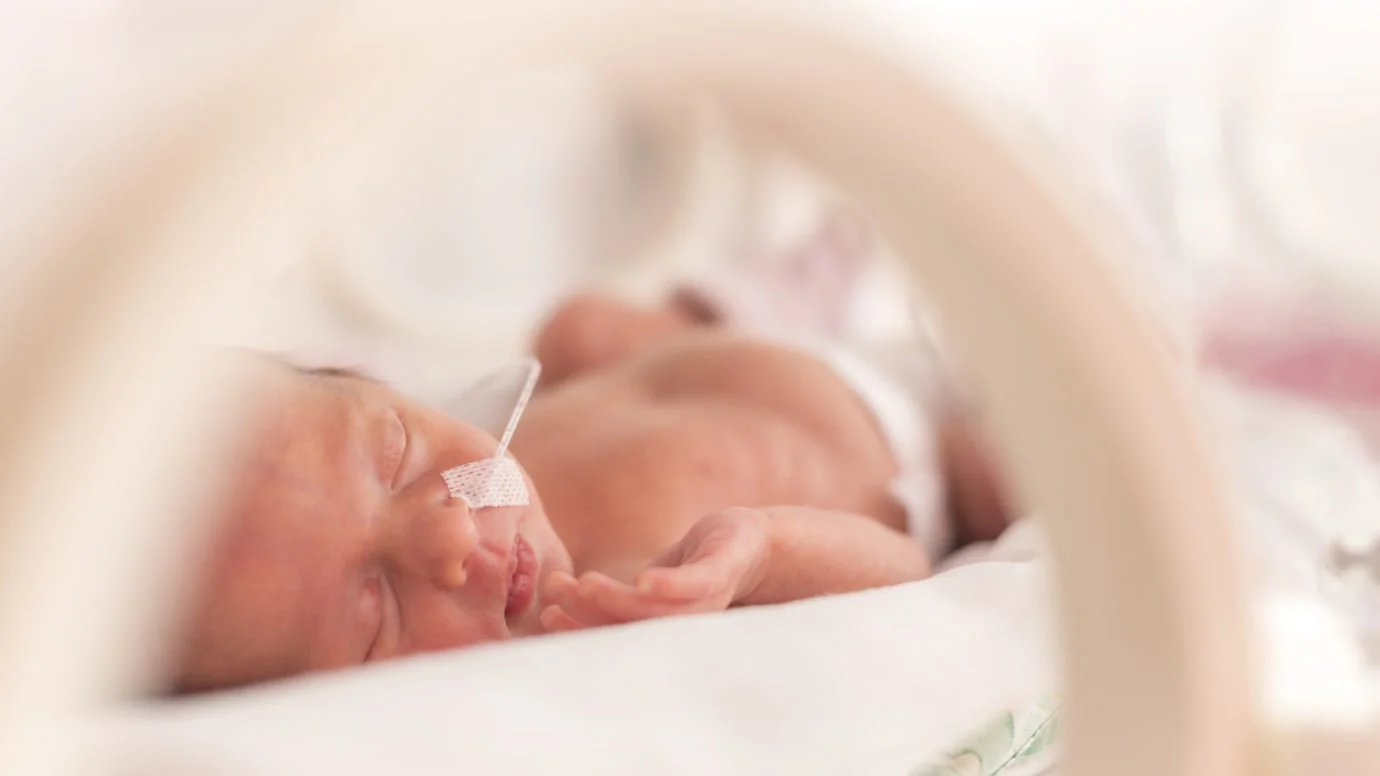
Preterm birth, defined as birth before 37 weeks of pregnancy, affects an estimated 15 million infants globally each year, making it one of the leading causes of death among children under five worldwide. In the United States alone, approximately 1 in 10 babies are born preterm, with significantly higher rates among communities experiencing structural inequities. Research consistently demonstrates that spontaneous preterm birth is rarely random; it is often associated with modifiable factors such as untreated infections, chronic stress exposure, inadequate prenatal care, nutritional deficiencies, and intimate partner violence (Malloy, 2008).
Evidence published in public health and midwifery journals emphasizes that preventing preterm birth requires a preventive model of care rather than solely emergency obstetric intervention. Risk gradually grows along the pregnancy, meaning early and continuous engagement in care is critical. This is where midwifery-led models become particularly important.
Why Midwifery Care Matters
Continuity of midwifery care has been associated with measurable reductions in preterm birth. Large systematic reviews of midwife-led continuity models demonstrate lower rates of preterm birth compared to fragmented care systems, alongside fewer unnecessary medical interventions and improved maternal satisfaction. The mechanism is not simply clinical, it is relational. When an individual sees the same provider consistently, early changes are more easily recognized, and concerns are more likely to be voiced before they become emergencies (Platt, 2014).
Studies examining midwives’ capacity to improve preterm newborn health outcomes emphasize that early trust-building and culturally responsive care increase adherence to prenatal recommendations, including infection screening, nutritional supplementation, and stress management strategies. Rather than responding only once labor begins prematurely, midwives intervene upstream, where prevention is still possible (Malloy, 2008).
Early Identification of Risk Factors
Research consistently identifies infection as a major contributor to spontaneous preterm birth, accounting for up to 30 to 40% of cases in some analyses. Conditions such as asymptomatic bacteriuria, periodontal disease, sexually transmitted infections, and systemic inflammation are associated with increased risk of premature rupture of membranes and uterine contractions. One clinical review found that treatment of maternal periodontal disease was associated with a decreased risk of preterm labor, underscoring how even seemingly unrelated inflammatory processes influence pregnancy outcomes.
Regular prenatal visits within midwifery care models allow for early detection of these risk factors. Screening for urinary tract infections, counseling on oral health, STI testing, and education on warning signs are not peripheral tasks, they are preventive interventions. For underweight pregnant individuals, monitoring folic acid levels and adequate protein intake becomes essential, as nutritional deficiencies have been linked to adverse outcomes. IPV screening is equally critical, as exposure to violence increases stress hormones and inflammatory markers associated with preterm birth. These assessments allow risk to be addressed before physiologic pathways toward early labor are activated (Meis et al., 1998).
Stress and Emotional Well-Being as Biological Risk
Emerging research highlights that chronic stress is not merely emotional, it is biologically active. Activation of the hypothalamic-pituitary-adrenal axis increases circulating cortisol and pro-inflammatory cytokines, both associated with cervical shortening and premature membrane rupture. Studies examining psychosocial stress, trauma exposure, and structural racism demonstrate significant correlations with increased preterm birth risk (Kramer, 2000).
Midwifery care directly addresses this pathway. Longer appointment times and continuity relationships allow screening for anxiety, depression, food insecurity, housing instability, and social isolation. Preventive interventions such as prenatal psychoeducation groups, peer-support programs, and structured psychosocial counseling have demonstrated reductions in postpartum depression and improved pregnancy outcomes (Kramer, 2000). By stabilizing emotional health, midwives are indirectly stabilizing inflammatory and hormonal systems that influence gestational length (Meis et al., 1998).
Avoiding Unnecessary Interventions
While medical interventions are lifesaving when clinically indicated, elective or non-medically indicated early inductions prior to 39 weeks have been associated with increased neonatal respiratory complications and NICU admissions. Midwifery-led models emphasize physiologic pregnancy and avoid unnecessary early delivery unless maternal or fetal risk clearly warrants intervention (KORJA et al., 2012).
Research comparing models of care demonstrates that midwifery continuity reduces rates of preterm birth as well as iatrogenic prematurity. This does not reflect avoidance of medical care; rather, it reflects evidence-based timing . By supporting spontaneous labor and using interventions judiciously, midwives help reduce avoidable early births that stem from non-clinical pressures (Platt, 2014).
Long-Term Implications of Preterm Birth
The importance of prevention becomes even clearer when examining long-term outcomes. Children born preterm face increased risks of chronic lung disease, asthma, and cardiovascular complications later in life (Vogel et al., 2018). Neurodevelopmental studies show higher rates of attention difficulties, learning delays, and language impairment among individuals born before 37 weeks. Disruptions in early gut and skin microbiota colonization further affect immune development and metabolic programming (McDonald et al., 2010).
Research conducted at the University of Colorado (McGregor et al., 1992) also highlights gender differences in outcomes, with male preterm infants demonstrating greater vulnerability to respiratory and neurologic complications compared to females (Ingemarsson, 2003). These findings emphasize that even moderate reductions in preterm birth rates can translate into lifelong improvements in population health.
Midwifery, Equity, and Safer Births
Preterm birth is also an issue of equity. In the United States, Black women experience significantly higher rates of preterm birth compared to white women, even after adjusting for income and education. This disparity reflects cumulative exposure to structural inequities, environmental stressors, and barriers to early prenatal care(Vogel et al., 2018).
Midwifery-led and community-based care models have demonstrated effectiveness in improving outcomes among underserved populations by increasing accessibility, trust, and culturally responsive care. By integrating clinical screening with social resource referral, midwives address both biological and structural contributors to prematurity. Prevention, in this context, becomes not only a medical goal but a public health and justice priority (Vogel et al., 2018).
Prevention as a Public Health Investment
Preventing preterm birth requires layered, sustained intervention rather than crisis response. Evidence across obstetric and midwifery literature demonstrates that continuity of care, infection screening and treatment, stress reduction, nutritional monitoring, and judicious use of medical intervention collectively reduce the likelihood of early delivery (KORJA et al., 2012).
Midwifery-led care has repeatedly been associated with improved maternal satisfaction, lower intervention rates, and reduced preterm birth risk. Supporting midwives means investing in prevention, strengthening families before complications arise and shifting the focus of maternity care from reactive treatment to proactive protection of gestational health (Vogel et al., 2018).
References
Ingemarsson, I. (2003). Gender aspects of preterm birth. BJOG: An International Journal of Obstetrics and Gynaecology, 110, 34–38. https://doi.org/10.1016/s1470-0328(03)00022-3
KORJA, R., LATVA, R., & LEHTONEN, L. (2012). The effects of preterm birth on mother–infant interaction and attachment during the infant’s first two years. Acta Obstetricia et Gynecologica Scandinavica, 91(2), 164–173. https://doi.org/10.1111/j.1600-0412.2011.01304.x
Kramer, M. S. (2000). The contribution of mild and moderate preterm birth to infant mortality. JAMA, 284(7), 843. https://doi.org/10.1001/jama.284.7.843
Malloy, M. H. (2008). Impact of cesarean section on neonatal mortality rates among very preterm infants in the United States, 2000–2003. Pediatrics, 122(2), 285–292. https://doi.org/10.1542/peds.2007-2620
McDonald, S. D., Han, Z., Mulla, S., & Beyene, J. (2010). Overweight and obesity in mothers and risk of preterm birth and low birth weight infants: Systematic review and Meta-analyses. BMJ, 341(jul20 1), c3428–c3428. https://doi.org/10.1136/bmj.c3428
McGregor, J., Leff, M., Orleans, M., & Baron, A. (1992). Fetal gender differences in preterm birth: Findings in a North American cohort. American Journal of Perinatology, 9(01), 43–48. https://doi.org/10.1055/s-2007-994668
Meis, P. J., Goldenberg, R. L., Mercer, B. M., Iams, J. D., Moawad, A. H., Miodovnik, M., Menard, M. K., Caritis, S. N., Thurnau, G. R., Bottoms, S. F., Das, A., Roberts, J. M., & McNellis, D. (1998). The preterm prediction study: Risk factors for indicated preterm births. American Journal of Obstetrics and Gynecology, 178(3), 562–567. https://doi.org/10.1016/s0002-9378(98)70439-9
Platt, M. J. (2014). Outcomes in preterm infants. Public Health, 128(5), 399–403. https://doi.org/10.1016/j.puhe.2014.03.010
Vogel, J. P., Chawanpaiboon, S., Moller, A.-B., Watananirun, K., Bonet, M., & Lumbiganon, P. (2018). The Global Epidemiology of Preterm Birth. Best Practice & Research Clinical Obstetrics & Gynaecology, 52, 3–12. https://doi.org/10.1016/j.bpobgyn.2018.04.003